
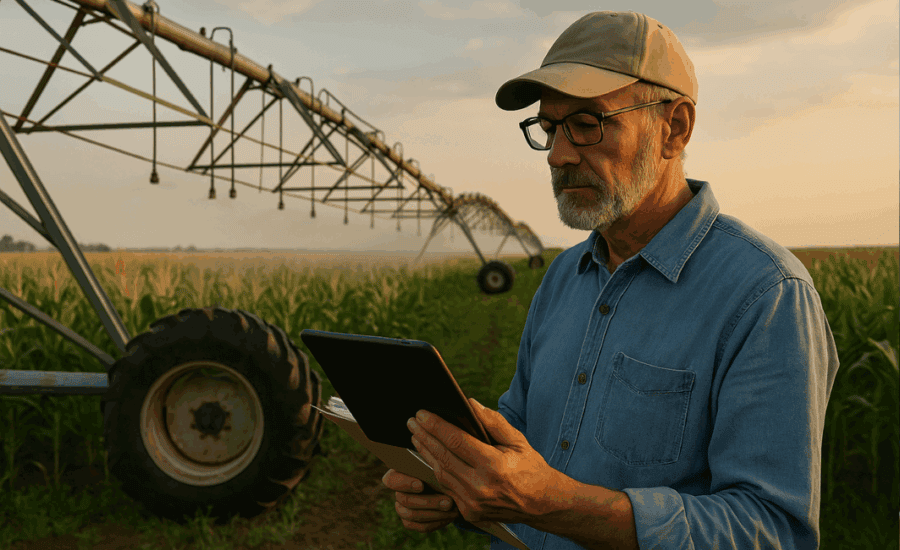
Agricultural Engineering Expert Witness: Resolving Disputes in Modern Agriculture
Modern farming systems are no longer just about land and labour. From automated irrigation and drainage design to erosion control and equipment safety, agriculture today integrates environmental science, engineering, and rural planning. When technical disputes arise, an Agricultural Engineering Expert Witness provides the clarity needed to resolve them fairly.
Whether a case involves shared water access, machinery failure, soil degradation, or unlawful infrastructure development, legal professionals rely on expert analysis to untangle the facts and provide impartial, evidence-based opinion.
What Is an Agricultural Engineering Expert Witness?
An Agricultural Engineering Expert Witness is a qualified engineer with domain expertise across rural infrastructure, irrigation systems, soil management, and farm machinery. They often hold cross-disciplinary training in agricultural science and civil or environmental engineering, supported by hands-on experience in rural contexts.
These experts may be called to assess:
- Water supply and drainage system performance
- Soil compaction, erosion, or degradation
- Farm machinery failure or non-compliance
- Infrastructure design (e.g. sheds, silos, fencing)
- Runoff, sediment control, and environmental impact
- Conflicts over irrigation rights or water allocations
They are essential in legal disputes requiring deep understanding of farming systems, engineering design, and environmental obligations.
When Is an Agricultural Engineering Expert Witness Required?
Irrigation and Water Use Disputes
Disputes involving irrigation and water rights are increasingly common, particularly in drought-prone regions. Experts may assess:
- Irrigation system design, capacity, and installation
- Water overuse or misdirection impacting other landholders
- Flooding caused by improper drainage or infrastructure
- Compliance with regional water regulations
- Efficiency of surface, drip, or pivot irrigation methods
Explore related support from our Environmental Engineering Expert Witness panel.
Crop Damage and Soil Quality Claims
Productivity loss often stems from engineering missteps or land misuse. Experts assist in:
- Diagnosing soil compaction from machinery
- Identifying runoff from adjacent developments
- Evaluating chemical misapplication or drainage issues
- Calculating yield loss linked to system failures
- Assessing farming conditions post-natural disaster
In some cases, input from a Valuation Expert Witness is needed to quantify financial damages.
Equipment and Infrastructure Failure
Poorly designed or maintained equipment can result in loss of income, personal injury, or legal liability. Agricultural engineers assess:
- Failure in harvesting or spraying equipment
- Machinery defects or operational misuse
- Building design issues (e.g. unstable sheds, unsafe storage)
- Engineering negligence leading to accidents or fires
- Non-compliant infrastructure impacting farmland
These often involve Mechanical Engineering Expert Witness input or Workplace Safety Expert Witness analysis.
Environmental and Infrastructure Disputes
Land development often clashes with existing agricultural operations. Experts may assist in:
- Assessing damage from road construction or easements
- Evaluating excavation impact on water tables and flow
- Interpreting compliance with state rural land use codes
- Reviewing erosion, sediment, and flora/fauna impacts
- Analysing construction affecting irrigation or fencing
These matters often require interdisciplinary insight across agriculture, civil engineering, and environmental science.
Deliverables of an Agricultural Engineering Expert Witness
Independent Technical Analysis
Experts assess compliance with engineering codes and agricultural best practice—unbiased and evidence-based.
Court-Compliant Expert Reports
Reports clearly outline methodologies, findings, and opinions in accordance with Practice Note CM 7 and admissibility standards.
On-Site Inspections and Field Testing
Experts conduct soil testing, survey mapping, water flow analysis, or machinery inspection directly on the affected property.
Testimony and Concurrent Evidence
Where required, the expert appears in court or participates in Concurrent Evidence to explain technical issues in plain language.
Common Cases Requiring Agricultural Engineering Experts
- Crop failure linked to irrigation faults or poor land grading
- Soil degradation from construction activity or chemical use
- Waterlogging or flooding due to inadequate drainage
- Agricultural machinery failure causing operational loss
- Development encroaching on protected rural zones
- Allegations of water theft or poor irrigation compliance
- Workplace injuries from non-compliant farming equipment
Key Traits of an Effective Agricultural Engineering Expert
- Holds qualifications in agricultural, environmental, or civil engineering
- Experience with Australian farming standards and legislation
- Skilled in soil, irrigation, and drainage assessments
- Report writing experience for legal and tribunal settings
- Independent, conflict-free, and confident under cross-examination
At ExpertsDirect, our agricultural experts undergo vetting to ensure they meet both technical and courtroom expectations.
How ExpertsDirect Supports Agricultural Disputes
Tailored Expert Matching
Through our Expert Witness Services, we connect legal teams with experts suited to the technical and legal aspects of the case—whether crop damage, system design, or drainage conflict.
End-to-End Case Coordination
From availability checks to deadline tracking and editorial report review, our Process ensures experts are properly briefed, compliant, and court-ready.
Cross-Disciplinary Expertise
Agricultural disputes often involve valuation, planning, or environmental overlap. We provide access to Environmental Scientists, Economists, or Policy Experts to build stronger case narratives.
Expert Witness Training and CPD
Experts on our panel participate in CPD Seminars and receive training to ensure court etiquette, neutrality, and legal literacy are maintained at all times.
Best Practices for Engaging an Agricultural Engineering Expert
Share Visuals Early
Satellite imagery, design plans, and ground photos help clarify scope and causation.
Define Legal Questions Clearly
Ensure your expert knows whether to assess causation, negligence, non-compliance, or quantification.
Schedule Site Inspections Strategically
Soil condition, water flow, or crop cycles may be seasonally affected.
Consider Complementary Expert Types
Some disputes benefit from having multiple experts on soil, finance, engineering, or planning.
Conclusion: Engineering Precision for Agricultural Litigation
From irrigation systems and water rights to machinery design and environmental protection, agriculture today demands technical accuracy. An Agricultural Engineering Expert Witness delivers that precision—ensuring disputes are resolved based on sound analysis, not guesswork.
At ExpertsDirect, we help legal professionals present clear, court-admissible evidence supported by independent expertise—ensuring rural, commercial, and environmental matters are addressed with fairness and credibility.
Need an Agricultural Engineering Expert Witness?
If you’re handling a dispute involving water access, soil damage, crop failure, or farm infrastructure, contact ExpertsDirect today. Our panel of vetted Agricultural Engineering Expert Witnesses provides independent, legally robust opinion across a wide range of agricultural and environmental cases.
If you have the expertise and are interested in becoming an expert witness, contact us today.
Featured News and Insights

Role of a Medical Expert Witness in legal cases
Expert Category: Medical Expert Witness A medical expert witness is a highly specialised professional who provides their expertise in legal

Banking Expert Witness — Roles and Areas of Law
Expert Category: Banking Expert Witness If your matter involves a dispute about lending, financing, or trading practices, you may require

When Does an Expert Report Need to Be Served as an Affidavit?
Generally expert witness reports do not need to be served as an affidavit. The only jurisdiction which requires an affidavit