
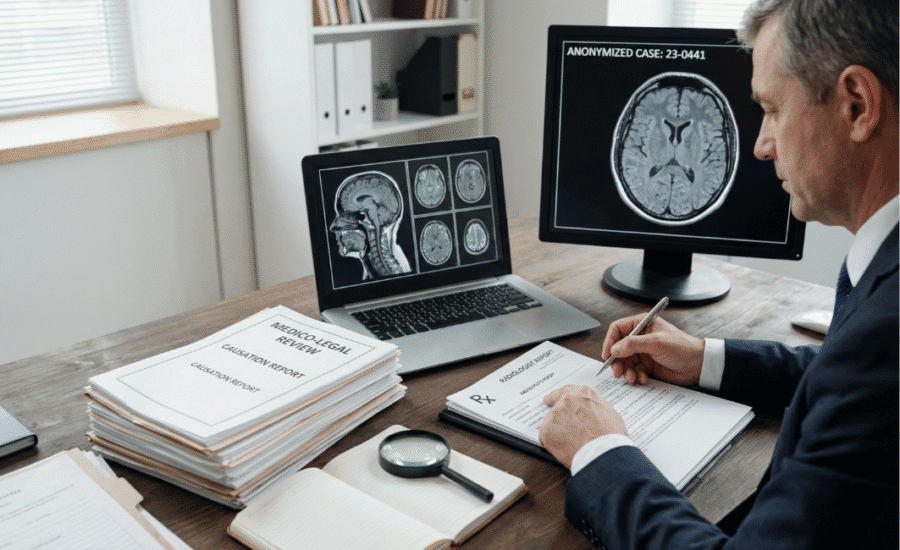
How to Find a Qualified Medical Expert for a Personal Injury Claim
Medical evidence sits at the centre of most personal injury claims. Courts rely heavily on expert medical opinion to determine causation, assess standard of care, and evaluate how an injury affects future capacity. Choosing the wrong expert can weaken an otherwise strong case. Choosing the right one can clarify issues, narrow disputes, and materially influence outcomes.
This guide explains how legal professionals can identify and engage a qualified medical expert who meets both clinical and legal expectations in a personal injury matter.
Clearly Define the Medical Question the Court Must Answer
Before searching for an expert, identify the precise medical issues in dispute. Common questions in personal injury litigation include:
- Did the incident cause or materially contribute to the injury?
- Is the diagnosis supported by objective medical evidence?
- Was the injury pre-existing or aggravated by the incident?
- What is the prognosis and likelihood of recovery?
- Does the injury affect work capacity or activities of daily living?
- Is ongoing treatment reasonable and necessary?
A vague or overly broad brief often results in unfocused or unhelpful opinions. Clearly defining the medical question early ensures the expert’s opinion is relevant, proportionate, and admissible.
Match the Expert’s Specialty to the Injury
Courts expect expert opinions to come from practitioners with expertise directly related to the injury in question. Medical experts are not interchangeable.
Typical matches include:
General injuries or multi-system issues:
General medicine physician
Fractures, joint damage, spinal injury:
Orthopaedic surgeon
Neurological symptoms or brain injury:
Neurologist
Psychological injury or psychiatric illness:
Psychiatrist or psychologist
Chronic pain conditions:
Pain medicine specialist
Work capacity and functional limitations:
Occupational physician
Instructing an expert outside their specialty exposes the opinion to challenge and can significantly reduce its evidentiary weight.
PrioritiseMedico-Legal Experience, Not Just Clinical Seniority
Clinical seniority alone does not make a doctor a strong expert witness. Courts expect medical experts to understand their forensic role and obligations.
A qualified medical expert for litigation should demonstrate:
- Experience preparing court-compliant expert reports
- Familiarity with expert witness duties and independence requirements
- Ability to separate factual history from opinion and assumption
- Clear, neutral explanation of medical concepts
- Experience with cross-examination and joint expert evidence
Treating practitioners, while important factual witnesses, are often unsuitable as independent experts due to advocacy risk and limited medico-legal reporting experience.
Ensure Independence and Absence of Conflict
Independence is fundamental. Courts routinely discount opinions from experts who appear aligned with one party.
Before instructing an expert, confirm that they:
- Have not previously treated the claimant
- Have no professional or financial relationship with any party
- Are not predominantly engaged by only one side of litigation
- Are willing to make concessions where the evidence requires it
An expert’s overriding duty is to the court, not to the instructing solicitor or client.
Assess the Quality and Structure of the Expert’s Reports
A credible medical expert produces reports that are:
- Logically structured and clearly reasoned
- Based on a comprehensive review of medical records
- Transparent about assumptions, limitations, and uncertainties
- Balanced, addressing alternative explanations for injury
- Confined strictly to their area of expertise
Courts are increasingly critical of speculative opinions, advocacy language, or conclusions unsupported by medical evidence.
Consider Experience With Concurrent Evidence
Many personal injury matters now involve concurrent evidence, sometimes referred to as joint expert evidence. Experts must be able to:
- Engage professionally with opposing experts
- Defend methodology calmly and objectively
- Make appropriate concessions
- Respond clearly to judicial questioning
An expert unfamiliar with this process may struggle, regardless of clinical competence.
Use a Specialist Expert Witness Provider
Identifying and vetting suitable medical experts independently can be time-consuming and risky. Many legal teams work with specialist providers such as ExpertsDirect, which offer:
- Access to pre-vetted medical experts with litigation experience
- Matching based on injury type, complexity, and jurisdiction
- Court-compliant reporting standards
- Administrative coordination and deadline management
- Support for expert conferencing and testimony
Provide a Clear and Focused Expert Brief
Even the most qualified expert requires a precise brief to deliver a useful opinion. A strong brief should include:
- The specific medical questions to be addressed
- Relevant pleadings or allegations
- Complete medical records and imaging
- Known alternative causes or disputed facts
- Reporting deadlines and procedural requirements
Clarity at this stage significantly improves the relevance and defensibility of the final report.
Common Mistakes to Avoid
Be cautious of experts who:
- Promise outcomes or definitive conclusions
- Ignore alternative explanations for injury
- Opine outside their specialty
- Use emotive or argumentative language
- Have a history of judicial criticism
Judges value restraint, transparency, and objective reasoning over certainty.
Conclusion
Finding a qualified medical expert for a personal injury claim requires more than selecting a respected clinician. The strongest experts combine clinical expertise with forensic discipline, independence, and a clear understanding of legal expectations.
When selected carefully and briefed properly, a medical expert can clarify causation, narrow issues in dispute, and materially strengthen a case. When selected poorly, the same expert can undermine credibility and expose the matter to avoidable risk.
Need Help Finding the Right Medical Expert?
If you are handling a personal injury matter and need a court-ready, independent medical expert, ExpertsDirect can assist. We connect legal professionals with vetted medical experts matched to the specific injury, legal issue, and procedural requirements of your case.
If you have the expertise and are interested in becoming an expert witness, contact us today.
Featured News and Insights

Dangers of joint authorship of expert reports
Can Multiple Experts Write an Expert Report? Introduction Expert reports are subject to expert codes of conduct, court directions and

Short Guide to Executive Summaries in Expert Reports
Who reads Executive Summaries? It is an obvious point but one worth remembering: decision makers in courts or tribunals are

A short guide to Privilege in Expert Witness Reporting
Privilege generally: Common Law and Legislation Client legal privilege allows parties in litigation to maintain the confidentiality of client-lawyer communications. A