
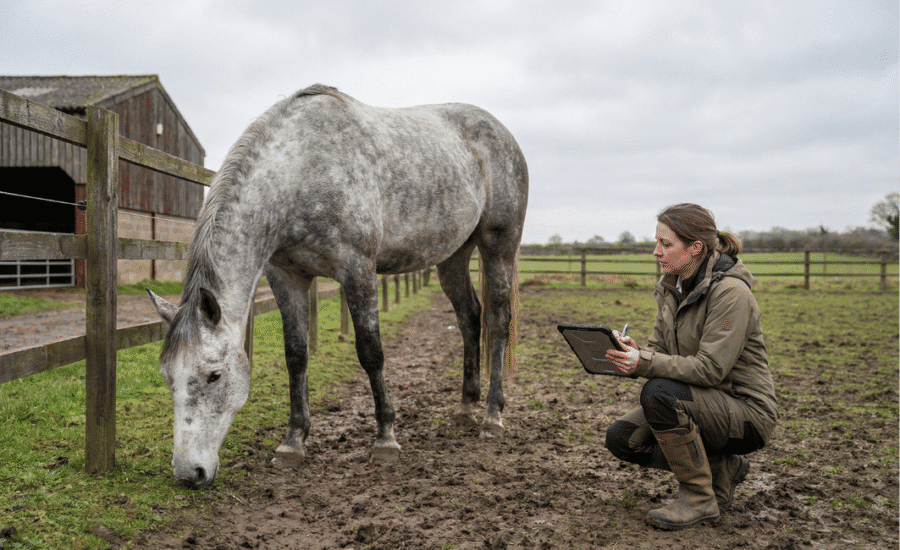
Animal Expert Witness: Independent Expertise in Animal Welfare and Liability Disputes
Legal matters involving animals sit at the intersection of science, welfare standards, and human responsibility. From alleged cruelty and veterinary negligence to livestock loss, dangerous animal incidents, and regulatory enforcement, courts require objective, specialist insight to reach fair outcomes. An Animal Expert Witness delivers that clarity.
These experts translate complex biological, behavioural, and husbandry evidence into clear, admissible opinions that assist judges, tribunals, and legal teams in understanding what occurred, whether standards were met, and where responsibility lies.
What Is an Animal Expert Witness?
An Animal Expert Witness is a qualified professional with recognised expertise in animal science, veterinary medicine, animal behaviour, livestock management, or welfare regulation. Depending on the matter, they may be a veterinarian, animal scientist, behaviourist, livestock consultant, or former regulator.
They provide independent opinion on issues such as:
- Animal health, injury, and cause of death
- Welfare standards and husbandry practices
- Behavioural assessment and risk
- Veterinary diagnosis and treatment decisions
- Livestock loss, productivity, and management
- Compliance with animal welfare laws and codes
All opinions must be impartial, methodologically sound, and presented in a format suitable for legal proceedings.
When Is an Animal Expert Witness Required?
Animal Welfare and Cruelty Allegations
In prosecutions or civil claims alleging neglect or mistreatment, experts assess whether care met accepted welfare standards. This may include nutrition, housing, handling, transport, and medical treatment, as well as interpretation of injuries, disease progression, or body condition scoring. Benchmarks often reference Australian codes and guidance such as those administered by state regulators and national frameworks coordinated by Animal Welfare Standards and Guidelines bodies.
Veterinary Negligence and Professional Conduct
Where treatment outcomes are disputed, an expert may evaluate diagnosis, clinical decision-making, consent processes, record-keeping, and whether care aligned with professional standards. These opinions are central to determining breach and causation.
Dangerous Animal and Injury Claims
In matters involving bites, attacks, or escapes, experts assess behaviour, triggers, training history, containment measures, and foreseeability of risk. Evidence commonly informs liability, duty of care, and appropriate controls, alongside considerations used in public safety and workplace contexts.
Livestock Loss and Agricultural Disputes
For claims involving stock mortality, disease outbreaks, contamination, or infrastructure failure, experts quantify loss and assess management practices. These cases may overlap with Agricultural Engineering Expert Witness and Agricultural Science Expert Witness evidence, particularly where water, feed, or infrastructure contributed to loss.
Breeding, Sales, and Consumer Claims
Disputes involving animal sales may require opinion on pedigree, genetics, health screening, fitness for purpose, expected traits, and disclosure obligations at the time of sale. Consumer protection principles are often relevant where representations are contested.
Regulatory and Biosecurity Matters
Experts assist in proceedings involving quarantine breaches, disease control measures, transport compliance, or enforcement action by regulators, including assessments aligned with biosecurity legislation and transport standards.
Core Responsibilities of an Animal Expert Witness
Independent Scientific Assessment
Reviewing records, examining animals or facilities where appropriate, and applying accepted scientific and welfare frameworks to the facts.
Clear, Court-Compliant Reporting
Producing reports that outline scope, methodology, findings, and limitations in plain language for non-specialist decision-makers, consistent with court practice notes.
Causation and Standards Analysis
Explaining whether alleged conduct caused harm and whether actions met expected standards at the relevant time.
Oral Evidence and Concurrent Evidence
Providing oral testimony and, where required, participating in concurrent evidence sessions to clarify points of agreement and disagreement.
What Makes a Credible Animal Expert Witness?
Effective experts typically demonstrate:
- Formal qualifications in veterinary medicine, animal science, or animal behaviour
- Practical experience relevant to the species and context in dispute
- Familiarity with welfare codes, guidelines, and regulatory expectations
- Experience preparing expert reports and giving evidence
- Independence, transparency, and ethical conduct
At ExpertsDirect, all animal experts are vetted for technical competence and courtroom readiness.
How ExpertsDirect Supports Animal-Related Litigation
Targeted Expert Matching
Through our Expert Witness Services, we align your brief with experts experienced in the relevant species, industry, and legal context.
Structured Case Coordination
Via our Process, we coordinate briefing, documentation, timelines, and communication to keep matters on track.
Quality Assurance
Reports are reviewed for clarity, scope alignment, and procedural compliance to reduce risk at hearing.
Multidisciplinary Support
Where matters overlap with medicine, engineering, or safety, we coordinate complementary experts such as General Medicine Expert Witness and Workplace Safety Expert Witness to ensure cohesive evidence.
Ongoing Professional Development
Experts are encouraged to stay current through CPD and expert witness training, supporting consistent, court-ready performance.
Practical Tips for Instructing an Animal Expert Witness
Define the species and context clearly.
Standards vary by species and setting.
Provide complete records early.
Veterinary notes, photographs, husbandry logs, transport records, and witness statements strengthen analysis.
Clarify the legal questions.
Specify whether the focus is welfare standards, causation, behaviour, or valuation.
Plan for site visits where relevant.
Inspections can be critical in housing, containment, transport, or farm management disputes.
Prepare for scrutiny.
Ensure methodology, assumptions, and limitations are transparent and defensible.
Conclusion: Objective Insight Where Animal Welfare Meets the Law
Disputes involving animals demand careful, evidence-based consideration. An Animal Expert Witness provides the impartial expertise needed to assess welfare, behaviour, health, and regulatory compliance, helping courts and tribunals reach informed decisions.
With ExpertsDirect, legal teams gain access to trusted specialists, clear processes, and court-ready reports that stand up to scrutiny.
Need an Animal Expert Witness?
If your matter involves animal welfare, veterinary care, behaviour, or livestock loss, contact ExpertsDirect today. We will connect you with a qualified Animal Expert Witness who can deliver clear, independent evidence tailored to your case.
If you have the expertise and are interested in becoming an expert witness, contact us today.
Featured News and Insights

Role of a Medical Expert Witness in legal cases
Expert Category: Medical Expert Witness A medical expert witness is a highly specialised professional who provides their expertise in legal

Banking Expert Witness — Roles and Areas of Law
Expert Category: Banking Expert Witness If your matter involves a dispute about lending, financing, or trading practices, you may require

When Does an Expert Report Need to Be Served as an Affidavit?
Generally expert witness reports do not need to be served as an affidavit. The only jurisdiction which requires an affidavit