
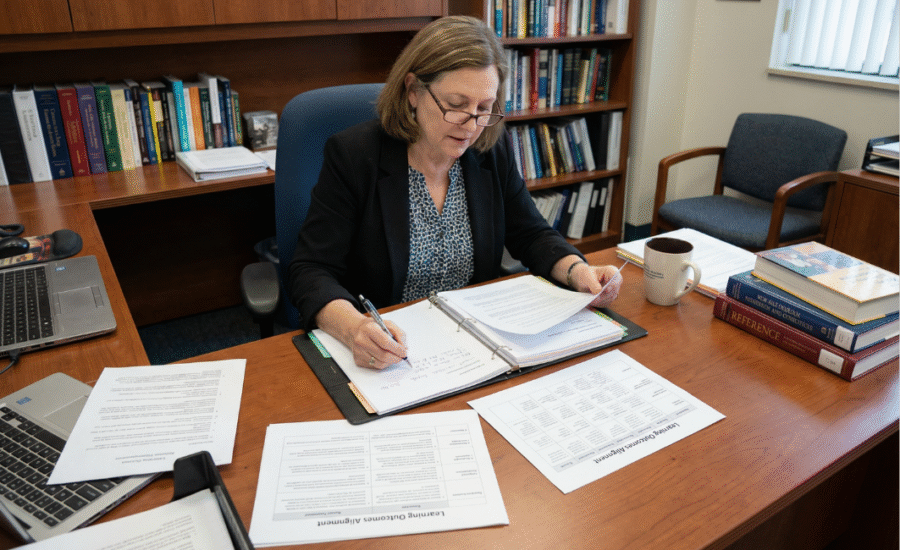
Curriculum Development Expert Witness: Expert Insight Into Educational Standards and Learning Design
Disputes involving education often turn on what was taught, how learning was assessed, and whether programs met expected academic or regulatory standards. When curriculum quality, alignment, or implementation is questioned, a Curriculum Development Expert Witness provides the specialist insight courts and tribunals require to reach informed, defensible decisions.
Operating at the intersection of pedagogy, policy, and regulation, these experts analyse curriculum frameworks, assessment strategies, learning outcomes, and delivery practices, translating educational complexity into clear, admissible evidence.
What Is a Curriculum Development Expert Witness?
A Curriculum Development Expert Witness is an experienced education professional with deep expertise in learning design, assessment theory, and standards alignment. They may be a senior academic, curriculum designer, former regulator, or education consultant with experience across schools, vocational education, or higher education.
Their role is to provide independent opinion on matters such as:
- Curriculum design and stated learning outcomes
- Alignment between curriculum, assessment, and delivery
- Compliance with accreditation, registration, or quality standards
- Appropriateness of content scope, sequencing, and progression
- Quality assurance, moderation, and review processes
- Educational impact of program changes, gaps, or deficiencies
Their evidence assists courts and tribunals in determining whether education programs were fit for purpose and delivered to expected standards.
When Is a Curriculum Development Expert Witness Required?
Education Provider Disputes and Litigation
In claims against schools, colleges, or universities, experts may assess:
- Whether curriculum content met advertised or contractual representations
- Adequacy of learning outcomes and assessment tasks
- Consistency between course outlines, teaching materials, and actual delivery
- Whether students were disadvantaged by curriculum gaps, misalignment, or inadequate assessment
These matters commonly arise in breach of contract, negligence, or consumer law proceedings.
Regulatory and Accreditation Matters
Where providers face enforcement action, review, or appeal, experts evaluate:
- Compliance with curriculum standards and approved frameworks
- Evidence of constructive alignment and moderation practices
- Quality assurance systems and continuous improvement processes
- Consistency of implementation across campuses or cohorts
Their analysis helps contextualise regulatory decisions against prevailing standards at the relevant time.
Special Education and Inclusion Disputes
In matters involving reasonable adjustments or inclusive practice, curriculum experts may assess:
- Appropriateness of differentiated curriculum design
- Alignment of Individual Education Plans with curriculum requirements
- Accessibility of assessment tasks and accommodations
- Whether curriculum decisions supported equitable learning outcomes
This evidence may complement opinion from a Special Education Expert Witness.
Employment and Professional Competency Claims
Curriculum experts are engaged where training adequacy is disputed, including:
- Professional certification and competency-based assessment programs
- Workplace training frameworks and learning pathways
- Whether curriculum design supported safe, competent, and lawful practice
Such matters may intersect with evidence from an Employment Assessments Expert Witness.
Core Responsibilities of a Curriculum Development Expert Witness
Independent Curriculum Analysis
Reviewing curriculum documentation, assessments, teaching plans, and moderation records to evaluate design quality and alignment.
Standards Interpretation
Explaining how curricula align with recognised frameworks, accreditation requirements, and institutional policies.
Causation and Impact Assessment
Assessing whether alleged curriculum shortcomings plausibly caused educational disadvantage or contributed to the claimed outcomes.
Court-Compliant Reporting
Preparing structured expert reports that clearly outline scope, methodology, findings, and limitations in accessible language.
Oral Evidence and Concurrent Evidence
Providing testimony where required, including participation in concurrent evidence proceedings.
What Makes a Strong Curriculum Development Expert Witness?
An effective expert in this field typically demonstrates:
- Senior experience in curriculum design, review, or accreditation
- Strong grounding in assessment theory and constructive alignment
- Experience across relevant education sectors and learner cohorts
- Proven ability to prepare expert reports and give evidence
- Independence and clarity in communicating complex educational concepts
ExpertsDirect vets curriculum experts for both technical credibility and litigation readiness.
How ExpertsDirect Supports Education-Related Litigation
ExpertsDirect connects legal professionals with appropriately qualified Curriculum Development Expert Witnesses and manages the engagement from instruction through to testimony.
Targeted Expert Matching
Our Expert Witness Services align your brief with experts whose sector experience and expertise match the dispute.
Structured Engagement Process
Through our process we coordinate briefing, document handling, timelines, and communications to ensure efficient engagement.
Quality Assurance
We review reports for scope alignment, clarity, and procedural compliance to reduce risk at hearing.
Multidisciplinary Coordination
Where curriculum issues overlap with wellbeing, assessment, or governance, we coordinate complementary experts, including Public Policy Expert Witness and governance specialists.
Ongoing Capability and Training
Experts are supported through CPD activity and expert witness training to ensure reports and testimony remain aligned with evolving legal and governance expectations.
Practical Tips for Instructing a Curriculum Development Expert Witness
Define the educational question precisely.
Identify whether the issue concerns design quality, alignment, compliance, or implementation.
Provide complete documentation.
Course outlines, assessment briefs, rubrics, moderation records, and accreditation correspondence are essential.
Clarify the relevant timeframe.
Educational standards evolve. Experts must assess conduct against expectations at the time of delivery.
Identify the learner cohort.
Expectations differ by age group, qualification level, and education setting.
Plan for methodology transparency.
Ensure the expert clearly explains how conclusions were reached and identifies any limitations.
Conclusion: Educational Expertise That Withstands Legal Scrutiny
Curriculum disputes require careful analysis grounded in pedagogy, standards, and real-world delivery. A Curriculum Development Expert Witness provides the independent insight needed to assess whether educational programs met expected quality, alignment, and compliance.
With ExpertsDirect, legal teams gain access to trusted education specialists who deliver clear, court-ready opinions that support fair and informed outcomes.
Need a Curriculum Development Expert Witness?
If your matter involves curriculum quality, assessment alignment, accreditation, or educational outcomes, contact ExpertsDirect
today. We will connect you with a qualified Curriculum Development Expert Witness ready to support your case with independent, defensible evidence.
If you have the expertise and are interested in becoming an expert witness, contact us today.
Featured News and Insights

Role of a Medical Expert Witness in legal cases
Expert Category: Medical Expert Witness A medical expert witness is a highly specialised professional who provides their expertise in legal

Banking Expert Witness — Roles and Areas of Law
Expert Category: Banking Expert Witness If your matter involves a dispute about lending, financing, or trading practices, you may require

When Does an Expert Report Need to Be Served as an Affidavit?
Generally expert witness reports do not need to be served as an affidavit. The only jurisdiction which requires an affidavit